


Club Car 3-Pin Round
Molded round connector with three circular pin terminals. Standard on 48V Club Car DS and Precedent models manufactured from 1995 onward.
 EPOWREY 15A 48V Golf Cart Charger for Club Car
Check price on Amazon
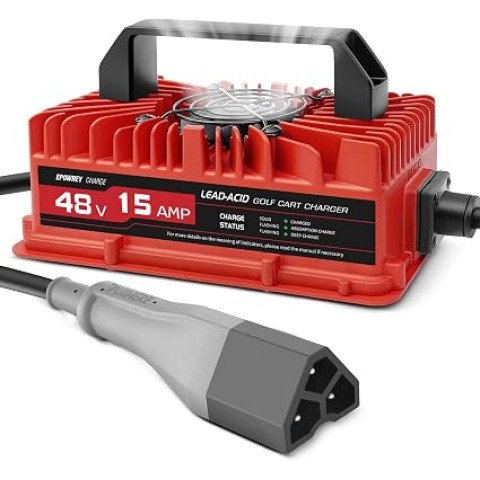 EPOWREY 15 Amp 48V Golf Cart Charger for EZGO RXV and TXT
Check price on Amazon
 FORM 48V 15A Golf Cart Battery Charger for Club Car Precedent and DS
Check price on Amazon
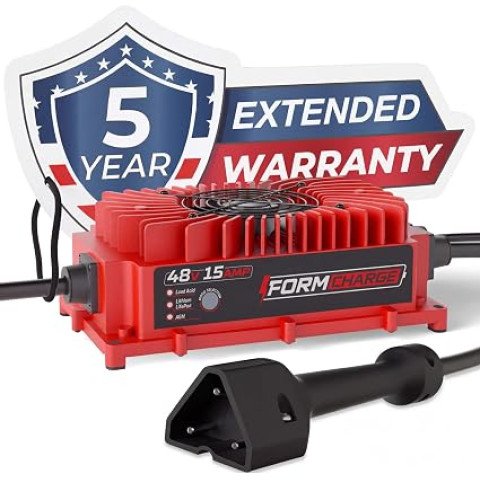 FORM 48V 15A Golf Cart Battery Charger for EZGO RXV and TXT, Lead-Acid Batteries
Check price on Amazon
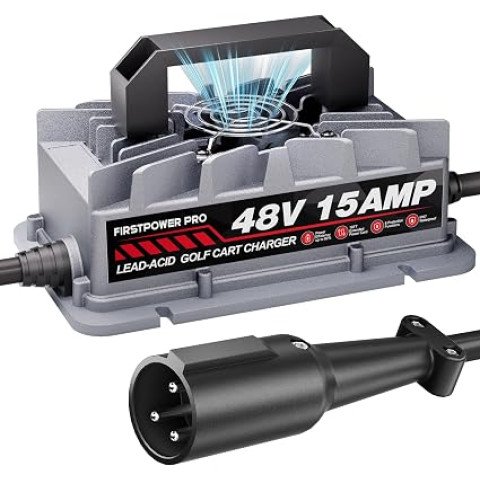 FirstPower Pro 48V 15A Club Car Golf Cart Charger
Check price on Amazon
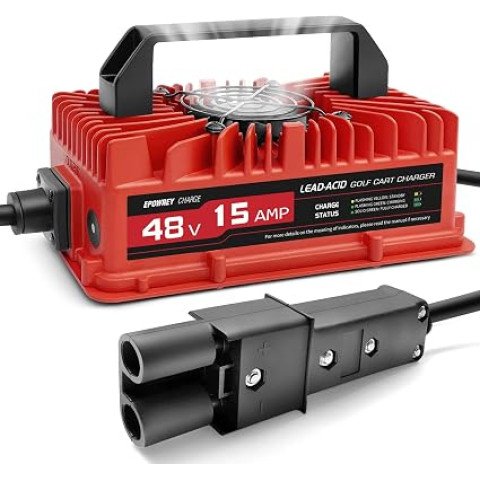 EPOWREY 15A 48V Golf Cart Battery Charger for Yamaha G19-G22
Check price on Amazon
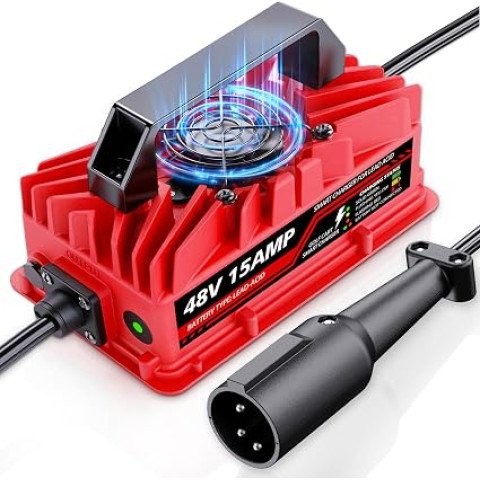 Akizbeir 48V 15A Golf Cart Battery Charger for Club Car Precedent and DS, 3-Pin Round Plug, Red
Check price on Amazon
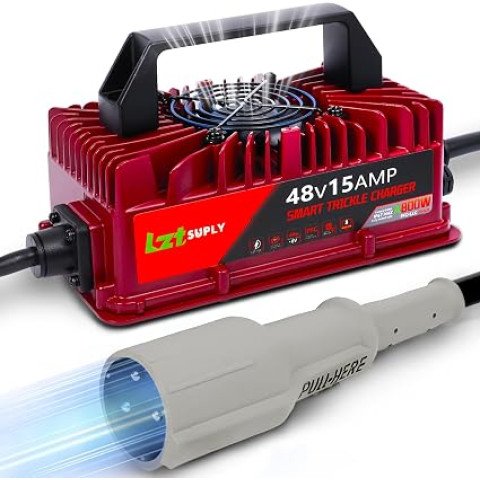 Lztsuply 48V 15A Golf Cart Charger for Club Car DS and Precedent, 3-Pin Round Plug, 16ft Cable
Check price on Amazon
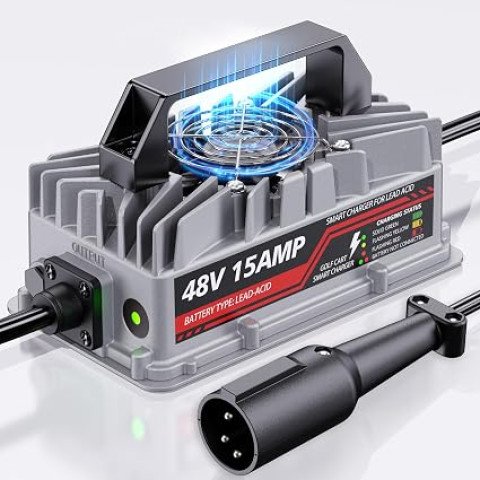 Akizbeir 48V 15A Golf Cart Battery Charger for Club Car Precedent and DS, 3-Pin Round Plug, Silver
Check price on Amazon
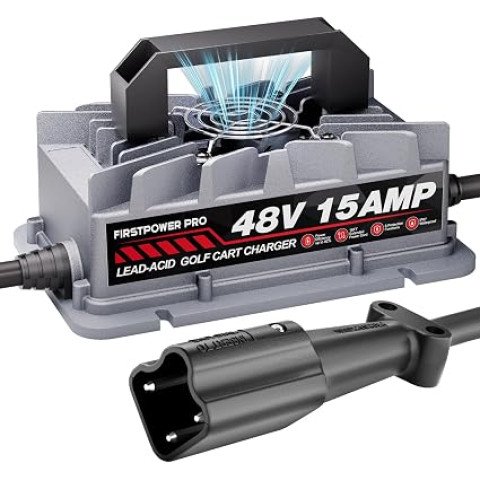 FirstPower Pro 48V 15A Golf Cart Charger for Yamaha G29 Drive and Drive 2, 3-Pin Leaf Plug
Check price on Amazon
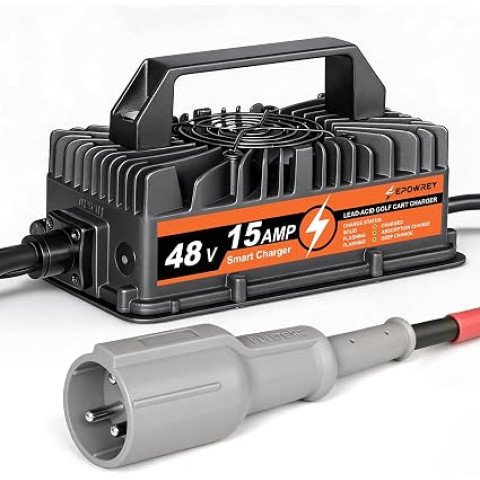 EPOWREY 15A 48V Golf Cart Charger for Club Car Precedent and DS
Check price on Amazon
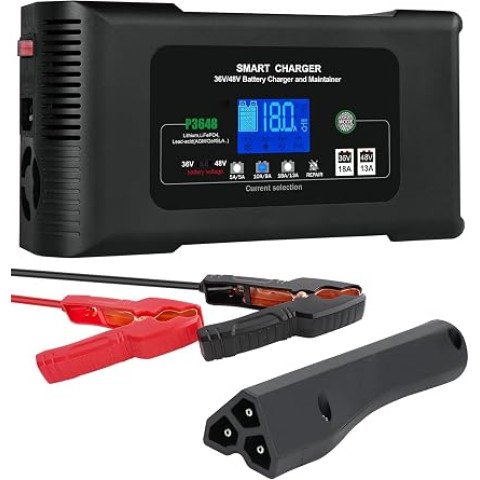 Haisito 48V EZGO RXV/TXT Golf Cart Charger for Lithium and Lead-Acid Batteries
Check price on Amazon
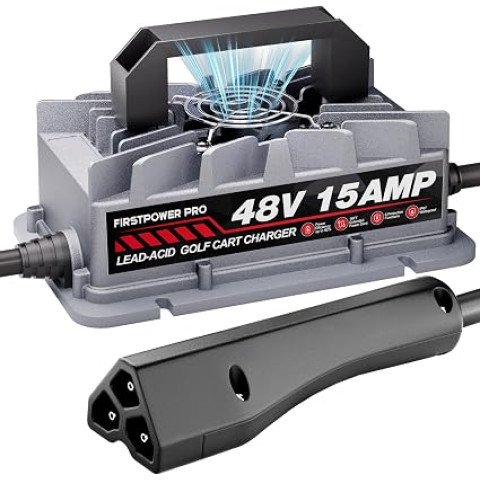 FirstPower Pro 48V 15A Golf Cart Charger for EZGO RXV and TXT, 3-Pin Triangular Plug
Check price on Amazon
 FORM 48V 15A Golf Cart Battery Charger for Yamaha G29 Drive and Drive 2
Check price on Amazon
 KAISAL 48V 18A Golf Cart Battery Charger for Yamaha G29 Drive and Drive 2, 3-Pin Leaf Plug
Check price on Amazon
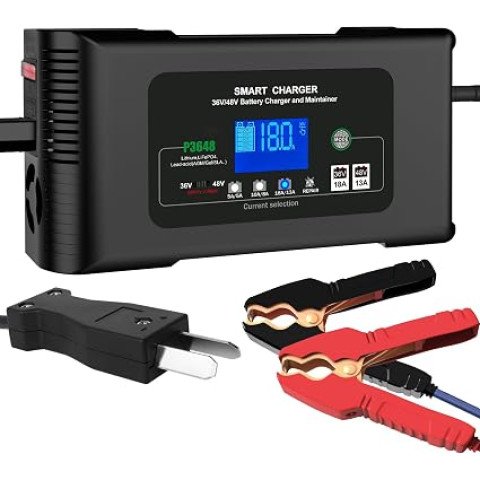 YHCHKJ 36V/48V Golf Cart Battery Charger with Crowfoot Plug
Check price on Amazon
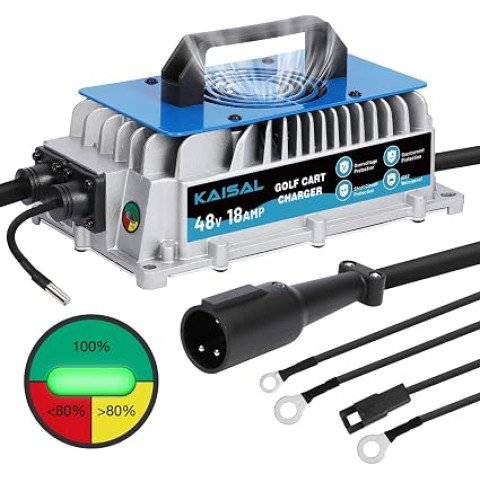 KAISAL 48V 18A Smart Charger for Club Car Golf Carts
Check price on Amazon
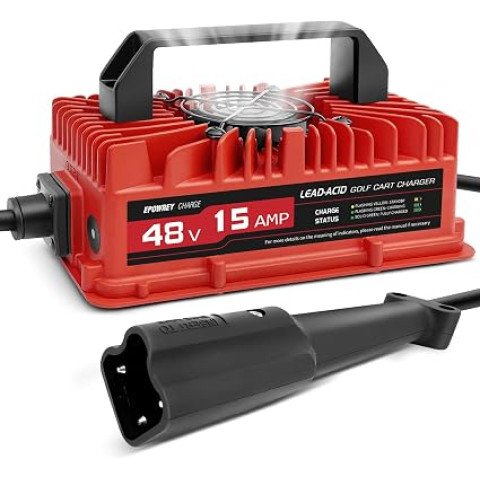 EPOWREY 15 Amp 48V Golf Cart Battery Charger for Yamaha G29
Check price on Amazon
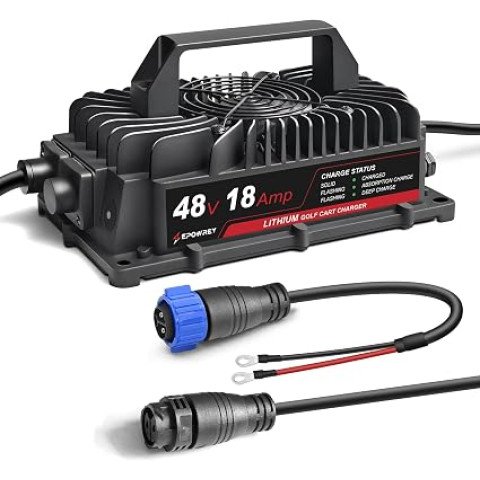 EPOWREY 18A 58.4V LiFePO4 Lithium Battery Charger
Check price on Amazon
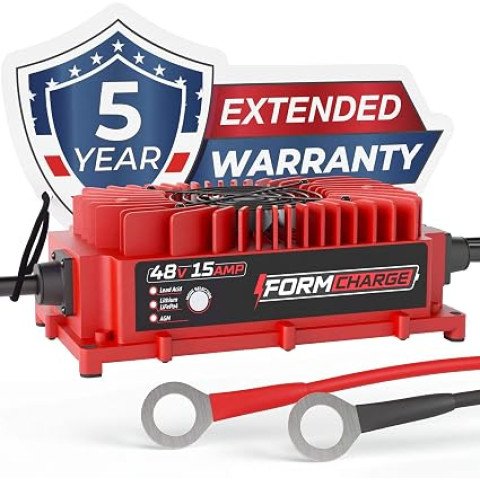 FORM 48V 15A Onboard Golf Cart Battery Charger for Lead-Acid and LiFePO4 Batteries
Check price on Amazon
Choosing the correct 48 volt golf cart charger requires matching three technical details: your nominal battery pack voltage, your cart-side charge port receptacle, and your battery chemistry. Unlike older transformer chargers that stay hot and hum constantly, modern high-frequency golf cart battery chargers automatically regulate output across bulk, absorption, and maintenance stages.
Whether you need a dedicated 48-volt battery charger for a golf cart running traditional flooded lead-acid cells or a multi-voltage unit configured for sealed lithium (LiFePO4) packs, verify your DC plug shape and pin layout below before placing an order.
Molded round connector with three circular pin terminals. Standard on 48V Club Car DS and Precedent models manufactured from 1995 onward.
Rectangular connector featuring one curved side to ensure correct polarity. Fits 48-volt EZGO TXT golf carts equipped with factory 48V charging ports.
Triangular delta plug housing three internal pins. Specifically designed for 48V EZGO RXV electric carts and later 2Play/Express utility vehicles.
Two-pin rectangular Nabson plug for Yamaha G19 through G22 models, or three-pin cloverleaf connector for Yamaha Drive (G29) and Drive2 carts.
Count the individual battery units under your seat or check the manufacturer serial tag. A 48-volt system consists of six 8-volt batteries or four 12-volt batteries. If your cart uses six 6-volt batteries, you have a 36-volt system and need a 36-volt golf cart charger instead.
Inspect the shape, outer casing profile, and pin arrangement of your cart's DC receptacle. Using an incorrect plug style will prevent the connector from seating or short-circuit the internal terminals.
Ensure the charger's charging algorithm matches your battery type. Flooded lead-acid batteries require a periodic desulfation absorption stage, whereas lithium LiFePO4 batteries demand a constant-current, constant-voltage (CC/CV) profile with zero equalization pulses.
If your 1995–2014 Club Car DS or Precedent still has an operational factory On-Board Computer (OBC), installing a modern microprocessor-controlled 48 volt golf cart battery charger requires connecting a simple OBC bypass wire to allow the charger to manage the charging cycle directly.
No. Connecting a 48 volt charger for golf cart use to a 36-volt battery pack will deliver excessive voltage, severely boiling the electrolyte, warping lead plates, and creating an acute thermal runaway hazard. Always match charger voltage directly to nominal pack voltage.
A rating between 15A and 18A is standard for 48-volt golf cart chargers. A 15A unit will recharge a typical 48V battery pack from 50% depth of discharge in roughly 5 to 7 hours while operating reliably on a standard 15-amp residential wall circuit. To see how top models compare under testing, see our golf cart battery charger comparison guide.
Older factory Club Car chargers were unregulated power supplies that relied on the vehicle's On-Board Computer to regulate current and shut off charging. Modern smart chargers house internal microprocessors; installing a bypass jumper wire circumvents the aged factory computer so the new charger can accurately measure voltage and manage the cycle.
Yes, provided the unit features an automatic float or trickle maintenance mode. Smart chargers monitor resting voltage and activate short maintenance pulses only when self-discharge drops pack voltage, preventing sulfation without drying out battery cells.
Installation note: Before connecting a new charger, inspect your cart's charging port for heat melting, cracked plastic, or corroded contacts. A loose or damaged terminal causes excessive electrical resistance and connector melting; replace worn hardware with a fresh DC charging receptacle before first use.
Brand
Chemistry
Mount style